

famous movie speeches

Tommy has been retired for twenty years. Used to be a plumber.
‘I couldn’t have carried on,’ he says. ‘Not with these legs.’
‘I have to put his socks on for him,’ says June.
Tommy smacks his bald head and leans forward. ‘He doesn’t want to hear that, June.’
I tell them it’s fine, I don’t mind. I’m here to get the whole story. How he manages, what he might need. How they’re both doing, come to that. No detail too small.
‘Well – truth is, I take my time,’ he says, leaning back in the recliner, his Tottenham football shirt riding up over his resonant belly. ‘There’s no rush, is there?’
‘I go with him into the shower… well, not actually IN the shower… I just stand guard in case he… you know.’
Tommy smacks his head again. ‘Not now, June. He doesn’t want to hear that.’
They’ve been married sixty-five years. I wonder how long he’s been smacking his head. They’re an odd couple, which may account for their longevity. Tommy pumped up, enthusiastic as a spacehopper with a walrus moustache; June in a pastel twin-set, neat and sweet as a tube of parma violets.
‘I couldn’t be a plumber,’ I say, filling the time whilst I get my kit ready. ‘I mean – apart from not knowing anything about plumbing. I just don’t like spiders.’
Tommy leans forwards again.
‘You get used to it,’ he says. ‘Mind you, having said that, Dave didn’t. Dave went to Australia to make his millions. Found out the place was crawling with them. And not just any old spiders. Big hairy items, hand sized things, with teeth. One nip from them and it was goodnight Vienna.’
‘Oh no! Don’t say that!’ says June, still maintaining her smile.
‘Yes. And snakes. Horrible, venomous things. If they catch you right you puff up like a big black beachball.’
‘Okay.’
‘Next thing anyone knows, Dave goes missing. Gone for months. And do you know what it was? Walkabout! He’d gone walkabout! Dave, the plumber. Who hates spiders.’
‘It’s snakes I don’t like,’ says June. ‘It’s a good thing we live where we live, I suppose.’
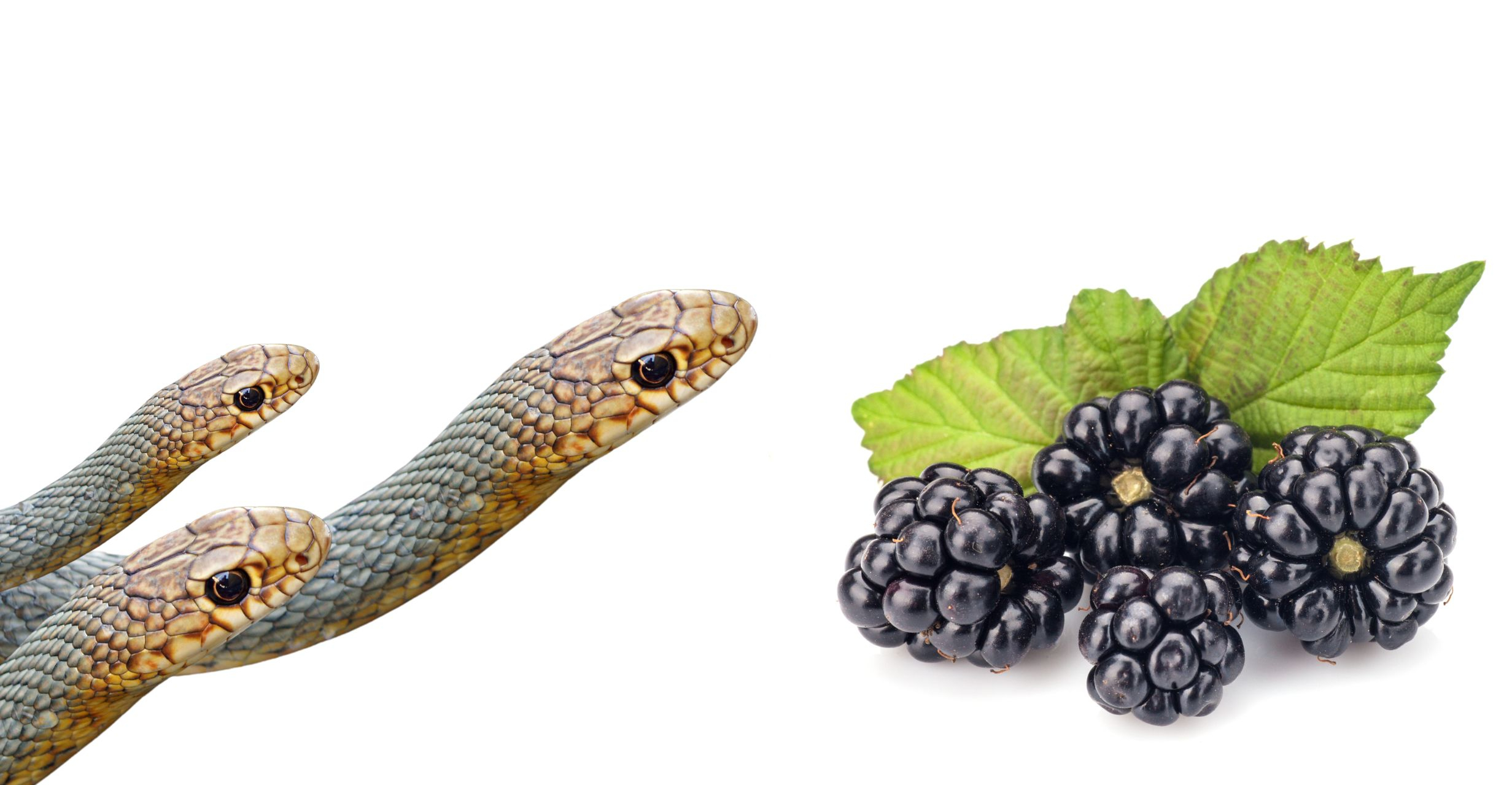
‘I’ve seen snakes here,’ says Tommy. ‘When I was a kid I used to go up the top end of the park. There was a secret place where all the blackberries grew. No one knew about it ‘cept me, so I had the pick of the place. Big, juicy blackberries. I sold them to a geezer down the market for a shilling. But you know what? Adders loved it up there. I don’t know why. They’d gather, probably from miles around, in that little blackberry clearing at the top of the hill.’
‘Oh no,’ says June
‘Yes!’ says Tommy. ‘But if you left them alone, they’d leave you alone. I was only interested in the blackberries, so we got along fine.’
‘You and your blackberry snakes,’ says June. ‘I’m sure this gentleman’s not interested in that sort of thing.’
‘I’ve never seen an adder!’ I say.
‘Well,’ says Tommy. ‘Maybe one day I’ll take you blackberrying.’
‘Blackberrying!’ says June. ‘You can hardly get out of the chair!’
‘He doesn’t want to hear that, June,’ says Tommy. And after smacking his bald head again, he settles back.
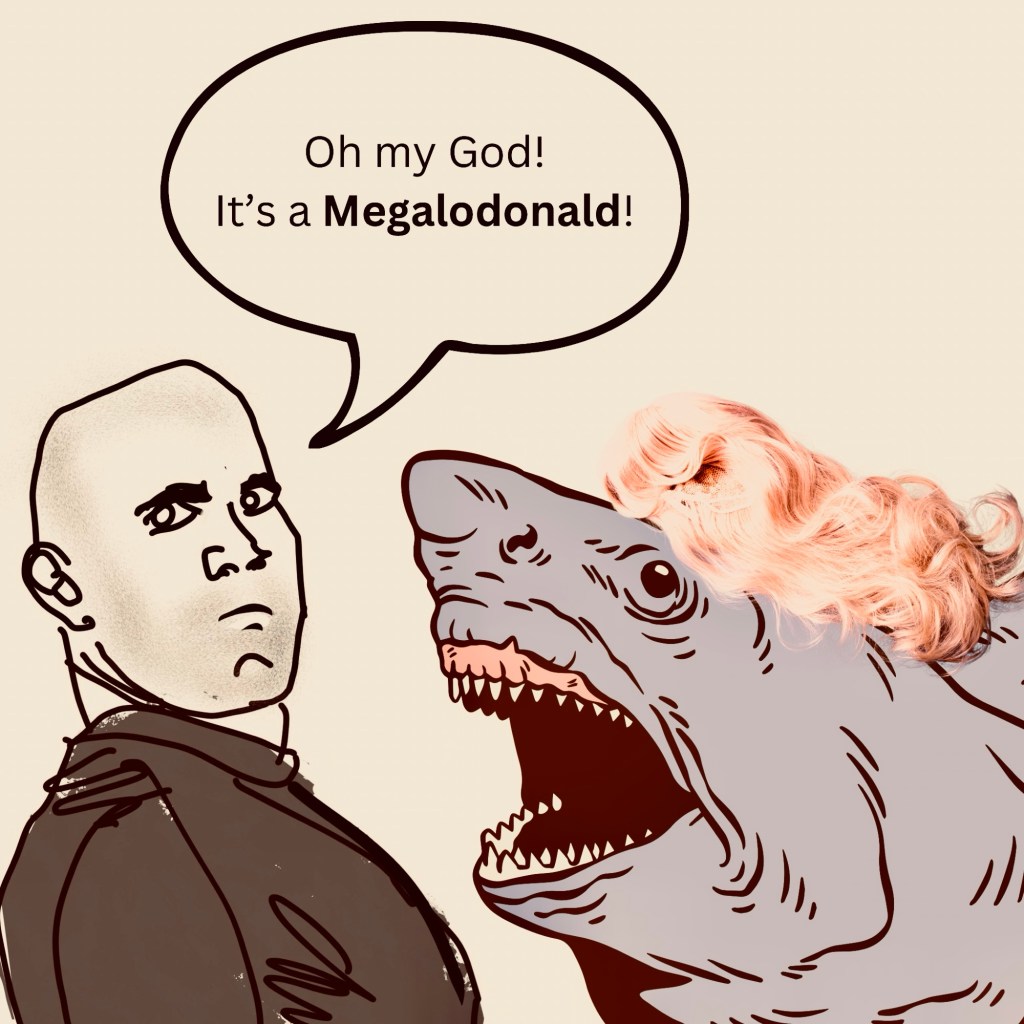
I don’t know who looks grumpier, Donald or his dog, Kevin. If it wasn’t for the size difference – Donald being a lumpish middle-aged man, Kevin a lumpish middle-aged staffie – they could swap hats and be done. As it is, they turn into the lane about the same time as me and Stan, so we all walk down together, me making the conversational weather, Donald being grumpy about it. That is, until we get onto his favourite subject: the ongoing dramas he’s been having with his elderly next door neighbour, Jean.
‘You never know what’s coming next with Jean,’ he grumps. ‘First it’s her legs, then it’s her central heating. The other day I got a panicked call. Donald! Donald! Come quickly! It’s horrible. And then the line went dead. So me and Kev went hurrying round there thinking the worst, but what happened was, her cat had brought a rat in. Only the rat wasn’t dead. It was just laying on the floor in the kitchen looking depressed, all of us standing round looking down at it, wondering what to do. Including the cat. Kev didn’t seem overly bothered. So I thought that’s it, I’ll have to kill it. But how? No way was I gonna stamp on it, I mean – urgh. I thought I might use one of the brass bed pans on the wall. But then the rat seemed to wake up. It gave itself a shake and made a dive for the organ.’
‘The organ?’
‘The old pump organ Jean’s got in the living room. It’s a horrible old cottage, Jim. Falling to pieces, you know. Hardly room for her and the cat, let alone an organ. Anyway, I said to Jean, I said well, that’s your rat gone where no one’s getting it. And Jean said well what if I play a B flat? Would that shift it? And I said I don’t know about music, and I’m not sure the rat’d does, either. It’s not as if it was one of them big church organs you play with your elbows and everything comes blasting out the pipes. So I poked around – with a poker, funnily enough – but nothing doing, and in the end I said she’d have to get the specialists in or let the rat come out of their own accord. Maybe the cat could finish it off then.’
‘And did that happen?’
‘Well I don’t know if it was the cat or maybe the rat couldn’t stand the racket. Not the organ, the TV. She has it on so loud I’m surprised the cottage is still standing. But either way she called me to say could I go round and dig a hole because the rat was lying out on the kitchen step and she couldn’t go outside to get to the shops.’
The lane branched off in two directions, so we said goodbye, Donald with the kind of heavy expression you might see on the face of a camel before it set off back across the desert. And when I looked down at Kevin, he was exactly the same.
I’m at the front door of Michael’s house, struggling to get the keys out of the key safe, when a man shouts to me from across the street.
‘You! Yes – YOU! I’m talking to YOU!’
I straighten up and turn to look as a man staggers across the road at a tangent, somehow avoiding the traffic, and ends up draped across the railings in front of the house, hugging them with both arms through the gaps, like he’s the only thing keeping the street from spinning out of control. After he’s got his breath he finds me in his sightline again, and gives me a lop-sided snarl, like the old MGM lion, but drunk. With no hair. Or teeth.
‘Oh – so NOW I’ve got your attention,’ he says.
He’s ragged, knuckle-headed. The kind of guy life rolled over and left furious in its wake.
‘Yah think yah so wunnerful,’ he says.
It’s a bright, blue day in April and I’m feeling optimistic, so I smile and say: ‘Hi! How are you?’
‘What’s it to you?’
‘Nothing. Just saying hello. Anyway – have a great day!’
And I give him the thumbs up.
‘Have a great day!’ he spits, like it wasn’t my thumb but a middle finger. ‘Have a great day! Ya know they wrote that on the side of the bomb when they dropped it?’
‘Did they?’
‘Yeah – they DID! So wha’ d’ya think o’THAT?’
‘I think that’s a bit… I don’t know… cynical?’
‘Are you takin’ the PISS, man? Are you havin’ a GO?’
‘Me? No. Just passing the time.’
‘Passin’ the time!’ he says. ‘Right! I’m comin’ over there…’
Jesus Christ but this key safe will not open. It’s an old one, some weird, masonic design, like it’s not a simple code I need so much as an incantation. I glance back at the guy. He’s managed to untangle himself from the railings, and is concentrating everything he has on hauling himself along, fist over fist, using the spikes like the rungs on a ladder. He’s almost at the gate – and me.
I turn back to the key safe.
By some miracle of panicked tapping and button flicking, the front panel suddenly loosens and flips open. I grab the keys – a bunch of them.
He’s on the threshold of the broken mosaic path now, only pausing to check the building’s the right way up before he carries on.
I flap around with the keys. Of course it HAS to be the last one on the bunch that opens the door. I snatch up my bag, dodge inside and slam it shut, just as he shuffles haphazardly up the steps. After a pause, I see a slack, liverish eye press against one of the stained glass panels, rolling around like a whale at the port of an Edwardian submarine. Then the eye pulls back, and he’s gone.
‘Michael?’ I call out into the silent house. ‘It’s Jim. From the hospital.’
And head up the stairs.

Beauchamp Close looks like a set from Lord of the Rings. Maybe if I had a cloak and a long clay pipe instead of my obs kit we could shoot Episode 3: The Return of the Non-Injury Faller. (in which Sauron rucks the carpet for Bilbo to catch his toes in). It does seem a strange choice of styling for a retirement complex. Maybe the architects thought using all these weathered oak beams and narrow red bricks in the Tudor style would make the old folk feel at home, cosplaying their way into senility. Although I wouldn’t have so much of a problem with it if the place were designed to look like the set from Aliens 2, so maybe it’s not so bad.
I’m met at Gracie’s door by Leila, the carer. She’s got earbuds in her ears and a phone in her hand held out flat like she wants me to take a bite. It’s a little disconcerting how she switches from talking to me to the phone and back again without any change in pace or tone. I keep getting it wrong, interrupting or not answering. Whichever way, Leila looks increasingly annoyed – red-faced, distracted, twitching her ponytail like – well – a pony. A pony that needs to get on.
‘She’s through here,’ says Leila. ‘She fell on the floor but didn’t hurt herself. One minute she was chatting to me, the next – BOOMF! I helped her up and onto the sofa. She hasn’t been right since I came in, though.’
‘What do you mean, not right?’
‘She was wearing three hats.’
‘Three?’
‘One on top of the other… Gracie? It’s the man from the hospital…’
Gracie also has a ponytail, but this one is longer and thicker than Leila’s (which must have helped with the hats). It sprouts up from the very top of her head, bound at intervals with black rubber bands – the kind of umbilicus that tethers deep sea divers to their diving bell (or whatever it is divers go down in to explore deep sea living rooms). Despite the heat, Gracie is wearing heavy flannel pyjamas with a pair of black knickers stretched to bursting point over the top, Superman-style.
‘Where’s your cloak?’ I say.
‘What did he say?’ says Gracie.
‘He says where’s your cloak?’
‘Your cloak!’ I say, louder. ‘You’re wearing your pants over your trousers. So.. you know… like Superman!’
She frowns up at me.
I mime being Superman.
‘Ooh,’ she says to Leila. ‘Who IS this?’
‘Superman,’ says Leila, ‘Apparently.’
I check Gracie over. My best guess is that she’s suffering from an infection somewhere and it’s making her confused. I ask Gracie questions and she sings me snatches of music hall songs, although none that I’ve heard before, with lyrics she makes up on the spot:
Gracie my Gracie the dog it was that died
the pills that you want are on the kitchen table dah di dah …
There’s a lurid green oil painting on the wall opposite: a labrador retriever sitting up on its haunches, surrounded by puppies. The labrador has a ridiculously human expression on her face, looking off to the side with its eyebrows raised, as if to say: ‘Oich – What am supposed to do with THESE?’
The puppies themselves are pretty odd, too. They look more like tardigrades under a microscope, scrambling over each other.
I discuss the options with Leila. There’s no one available – no family or friends – who could stay with Gracie and keep her safe. The only option is to call for an ambulance and do further tests in hospital. It’ll be a two hour response, but Gracie doesn’t seem to mind. She listens to my explanation with a clownish expression, her lips pursed and her eyebrows raised, then she cackles, and bats the air between us.
‘Don’t be so soft!’ she says. And tries to get up, only to fall backwards again.
I’m in the process of righting her when Leila leans in to touch my arm. She seems five degrees redder than the last time I looked, fit to blow.
‘I’m ever so sorry but I’ve just GOT to get on’ she says. ‘I’ve got like SO many people to see. There’s no one can come and sit with Gracie from the office ‘cos we’re short today.’
‘Don’t worry,’ I tell her. ‘Thanks for taking care of things up till now. I’ll sort something out.’
She squeezes Gracie’s hand, gives me a grimace emoji in red, then hurries out.
I ring the office to ask if any of the care team might be available to come and relieve me. They say they’ll do their best.
‘It’s you and me, Gracie!’ I say, leaning back in a Windsor chair and folding my hands in my lap. The chair snaps and creaks alarmingly, so I lean forwards again.
‘So – Gracie,’ I say, thumbing at the picture, nodding at her. ‘Tell me about these dogs.’

I’m obsessed with Blanche’s hair. It looks like a golden octopus swam up from behind and slapped its tentacles over her scalp.
‘How much did that cost?’ I ask as we park up.
‘Sixty pounds.’
She sucks her teeth with a clicking noise.
‘I am not so sure I would ever do it again. It’s a lot of work just for one month.’
‘It looks amazing, B. I’ve never seen such hair.’
‘My God!’ she laughs. ‘Seriously? Well – when it comes to hair, you should know.’
It’s true. I decided to shave my head a few months ago. I could see I was beginning to thin on top, and I didn’t want to be ‘that guy’, so opted for a basin of cold water and a razor. (The clinical measures I’ll take to avoid being ‘that guy’).
‘Sigourney Weaver chic,’ I tell her.
‘Who?’ she says.
‘Aliens’
‘What?’
We’re at the door so there’s no time to explain. She rings the bell and we wait.
It’s a beautiful, semi-detached house – semi-detached in that perfectly realised, herbs in planters, careers in banking or higher education. Hydrangeas pulsing into bloom. A neighbour nodding and smiling, watering his SUV.
Emma opens the door. She has a tiny baby in her arms, scrawling its face and arms, protesting the disturbance.
‘Thank you so much for coming!’ says Emma. ‘We do appreciate it. We’re all in the lounge…’
She leads us through the house into a broad, brightly-lit room. Anthony is sitting in a wheelchair, absently holding a white linen handkerchief to his lips. His wife Maureen stands beside him ready to take it.
Emma describes what’s been happening. Her dad is palliative and suddenly much worse. They’d managed to dress him and get him down the stairs, but it took a long time, it wasn’t safe, and they have no idea how they’re going to get him back up again.
‘The OT from the palliative team offered us a hospital bed downstairs earlier in the week but Daddy said no,’ she says.
The equipment company we use has a same day delivery service, but only if the order goes in before midday. It’s already a quarter to, and I’m almost sure they won’t agree. We talk about other options – if they have a cot bed we could put up for them, or even a normal bed we could dismantle and reconstruct. But they don’t have anything we can use temporarily, and all of the beds upstairs are antique, king-sized items. And even if that was feasible, whatever bed Anthony goes into now will need to be adjustable for height so the carers can manage his last days safely and comfortably. He absolutely needs a hospital bed to avoid admission.
Emma and I go into the kitchen so I can make a few calls; Blanche stays with Anthony and Maureen.
Luckily, when I phone the equipment company, Lauren answers. I’ve spoken to her lots of times before, so I take that as some kind of omen. I throw myself on her mercy, describing the situation, apologising for the late order and so on. It’s a desperate move – the equivalent of running outside in a storm, throwing my arms wide, tipping my head back and surrendering to the elements in one great, big, cosmic PLEASE.
‘Get the order in right now,’ sighs Lauren. ‘Should be fine.’
After I’ve called the office, asked them to send the order through with immediate effect, I go back into the lounge with Emma. Everyone’s so relieved. Even the baby seems more settled, hanging onto Emma as suckered as Blanche’s hair. It seems to fall instantly asleep the moment she takes her place in the armchair to the right of her father.
The only person untouched by any of this is Anthony. He sits absolutely upright and still, his waxy, swollen feet placed just-so on the footrests, his eyes half closed under a weight of opiates. Every now and again he dabs at his mouth with his handkerchief, so neutrally it’s like someone else is reaching up to do it. And then, just as we start to talk about what happens next, Anthony stirs a little and starts to tell a story. A funny story, I think, his voice so faint and dry and far away it’s hard to make out. Everyone in the room falls quiet, giving him space to be heard.
‘… and then … the damned phone rang….’ he whispers. ‘…. woke me up… I didn’t know who it was, of course…’
Maureen gently takes the handkerchief from him, hands him a beaker of water, helps him take a sip.
‘… but that’s enough from me…’ he says, after a long pause. ‘Emma must take up the story…’
Emma smiles – blurry, exhausted.
‘Someone rang and woke Daddy up,’ she says, helplessly.
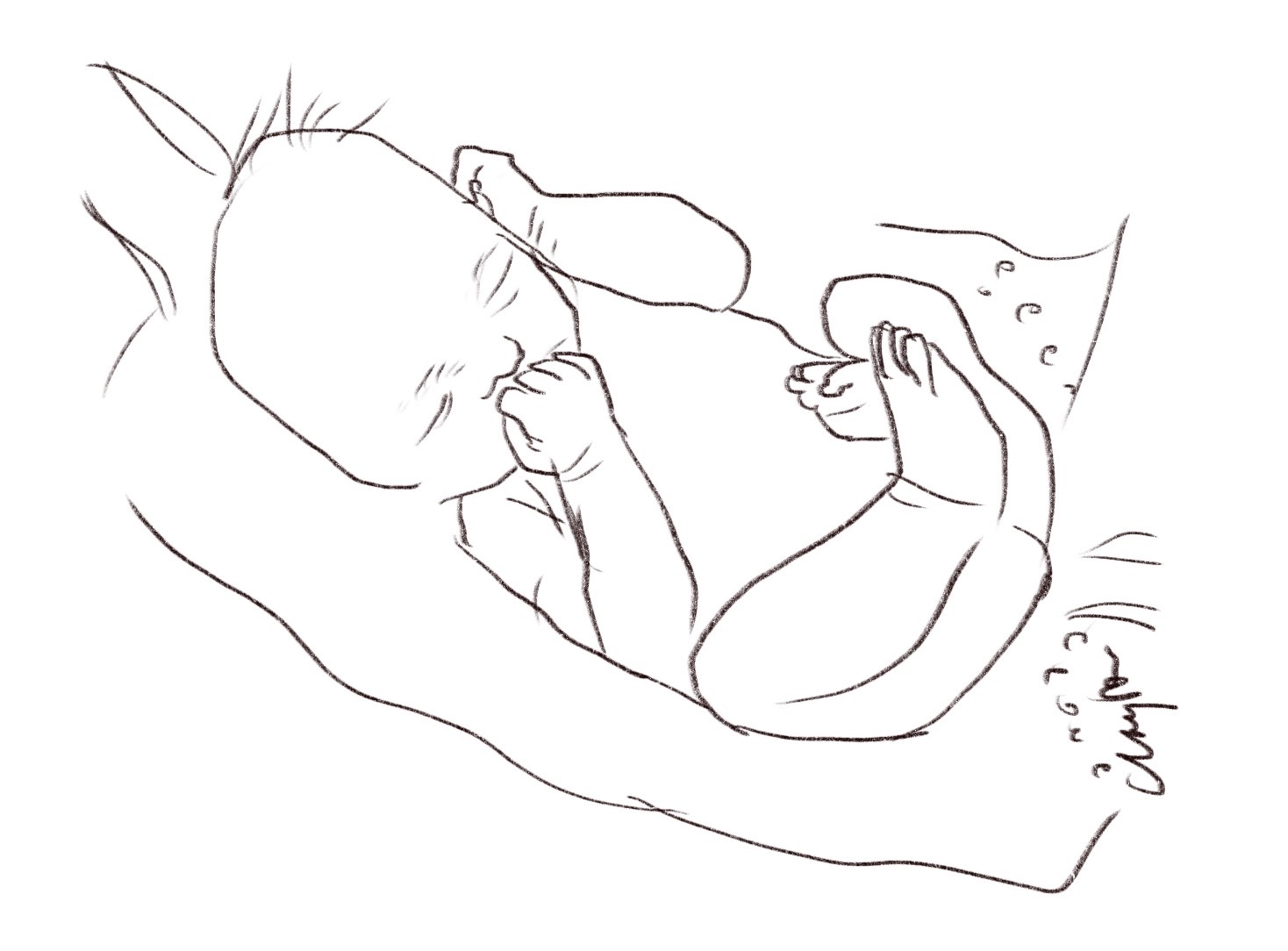
We all laugh – and the sudden noise wakes the baby. It shudders in her arms, throwing out its hands, kicking up its legs. The Moro Reflex, I think they call it. A vestigial spark, a million years in the making. Something about falling.
We’ve had some carers go sick so I’m helping out with the calls this morning. I like the change. So long as everything goes to plan, I won’t be called upon to make decisions, referrals, or any of the other worries that swarm in on you when you’re medically assessing a patient. In a lot of ways a care call is therapeutic – which I realise is easy for me to say, not having to do this day-in, day-out, chasing my tail across the city, stressing about keeping ahead, making time, all for a pittance.
Geoffrey’s house is on the kind of pristine new development where everything looks fake. I wouldn’t be surprised to be met at the door by a Playmobil figure. Instead it’s June, Geoffrey’s daughter, a middle-aged woman with an aura of stress so palpable you could use it to power the neighbourhood if you only had the leads.
‘Hello,’ she says, blinking emphatically. ‘Can you put these shoe covers on?’
The interior of the house is immaculate. Which explains the shoe covers. In fact, I’m surprised June doesn’t insist on a full body suit and respirator.
‘Dad’s still in bed,’ she says. ‘I’ll come up and show you what’s what.’
I follow her up the stairs and into a room brightly lit by the sun. Geoffrey is lying on his back in bed, his hands either side of his face, gripping the covers in that cliche, ‘man lying in bed’ style.
‘This is the carer, Jim,’ says June, running up the blinds. ‘He’s come to get you ready for the day.’
‘Oh, aye?’ says Geoffrey.
June shows me into the bathroom where everything is laid out: pink flannel for the face and top half, black flannel for the bottom and legs. Creams of various kinds. A comb. Toothbrush and paste. The toothbrush is enormous, like nothing I’ve seen before, a cumbersome red plastic instrument with bristles like a carpet brush on one side and on the other, the kind of circular brush that wouldn’t be out of place snapped onto a vacuum cleaner.
‘I’ll leave you to it,’ says June, before turning on the spot and hurling herself back downstairs.
The washing and dressing goes smoothly. Geoffrey is as organised as his environment, and apart from his great age and frailty, manages everything pretty much independently. We chat about this and that. Apparently – before he retired – he used to be a dental technician.
‘Oh!’ I say. ‘That’s interesting! I know a story about dental technicians!’
‘Hmm,’ says Geoffrey. I’m putting him into his tracksuit top so he can’t do anything else but listen.
‘You know that local natural history museum? Well the professor who used to run that place also helped the police out now and again. He was such an expert on bugs and beetles and skeletons and whatnot, they used to call him in for advice.’
‘Oh, aye?’ says Geoffrey. I hand him a comb to sort his hair out.
‘Well – this one time, they asked him to look at a building site. The builders were renovating an old house and they found a load of teeth in the basement, which looked suspicious. But when the professor examined them, he said it must have been the site of an old dentures workshop, and you could tell by the tiny holes near the root of the teeth, where they used to wire them together.’
‘Wire them…’ says Geoffrey. ‘Yes.’
I pass him his strange toothbrush.
‘Over to the expert!’ I say.
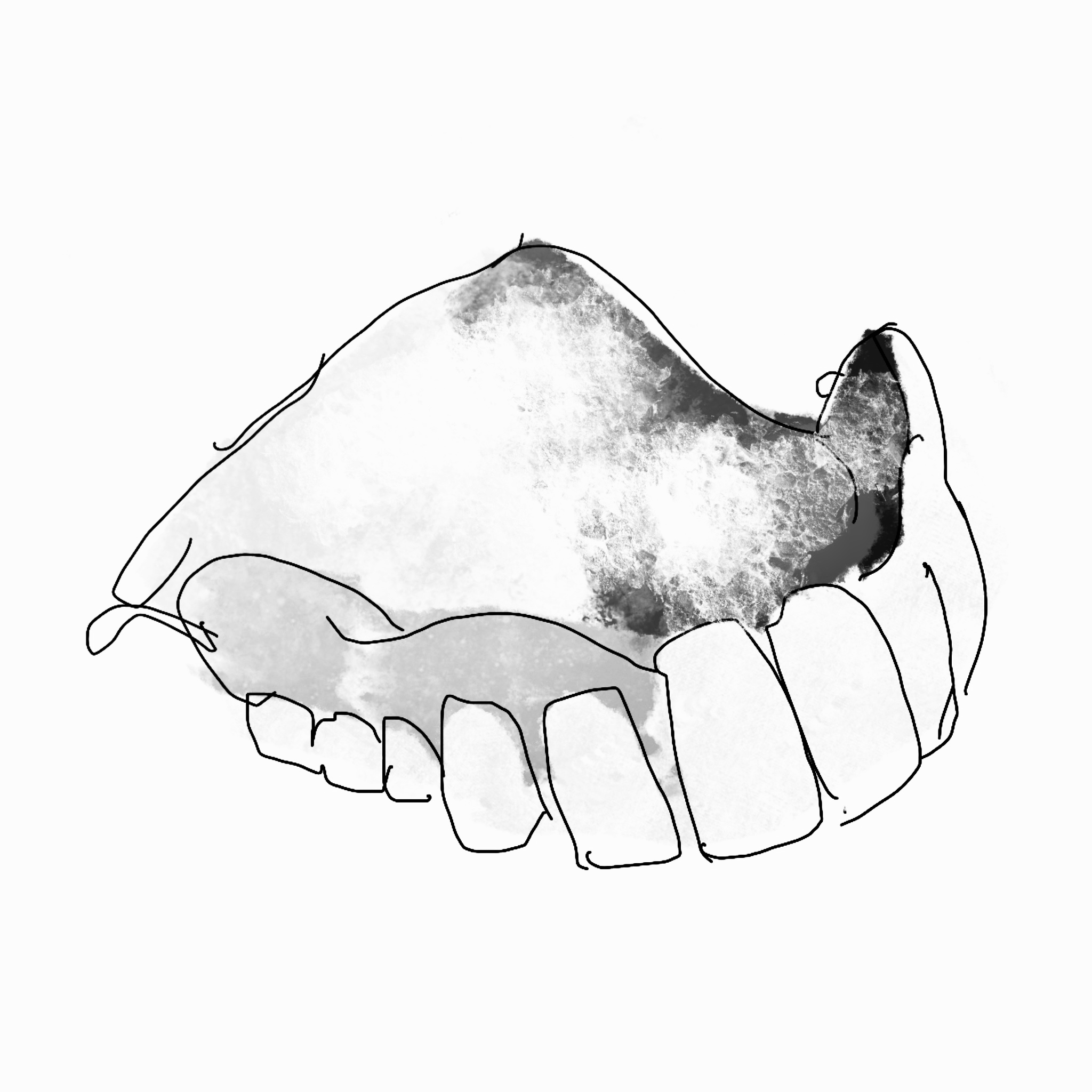
He carefully smothers the big brush with toothpaste, wets it under the tap, then starts busily scouring his teeth. It goes on for such a long time I’m worried he won’t have any teeth left. There’s a lot of spitting and hawking into the sink, followed by more brushing, followed by more spitting, and when five minutes have passed and I’m wondering if I should make an intervention, he unexpectedly puts the plug in the sink and starts filling the basin so full of cold water I’m worried it’ll overflow. But just as the level nears the top, he turns the taps off, then pulls out his top set, holds it under the water, and starts attacking it with the round bit of the brush. He scrubs it underwater for ages, pulling it out to inspect it occasionally, plunging it back under again to scrub some more, hawking and spitting into the basin the whole time. It’s a furious, all-elbows kind of procedure. I’ve never seen anyone clean their teeth like this before and I’m fascinated – so much so that I almost forget to catch him when he leans back unsteadily a few times.
‘There!’ he says, breathing hard, finally pulling the plug and inserting the top set back into position. ‘Now, then – what’s for breakfast?’
 jim clayton