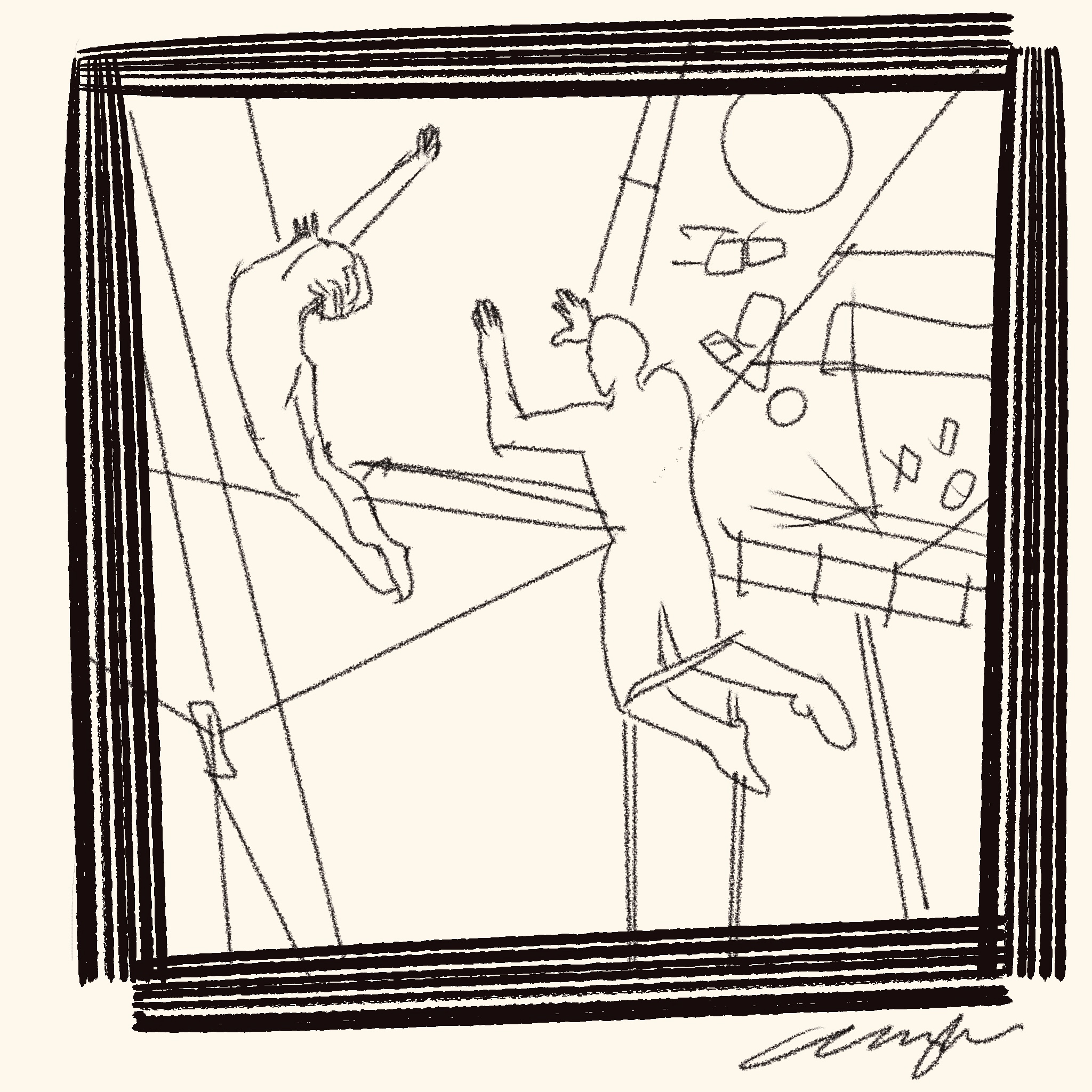
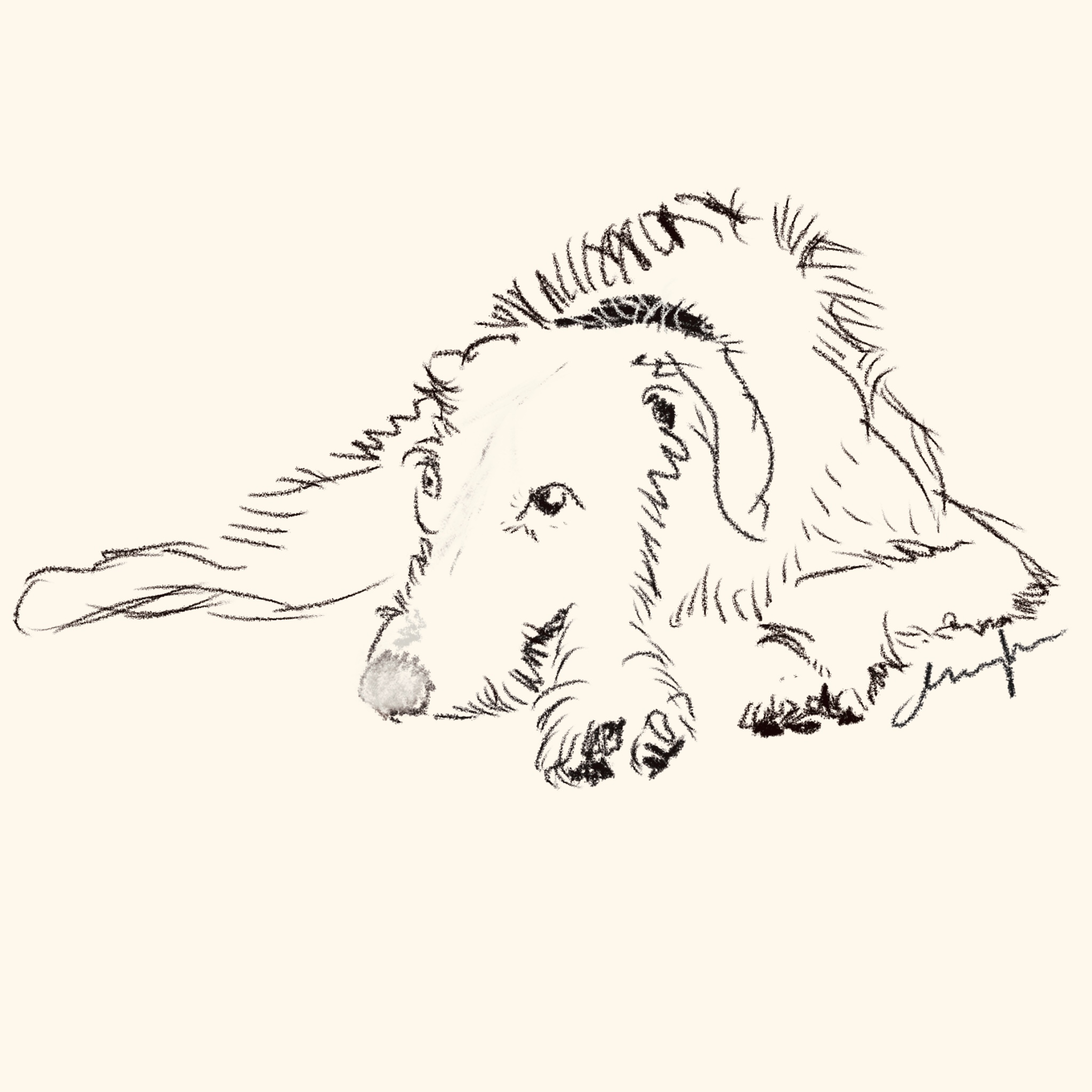
The Giant Gila Monster, 1959. Dir. Ray Kellogg. Watched on YouTube, so you don’t have to.
0.05 The film opens with a tracking shot over a desolate, black and white shrubland, the kind of place you wouldn’t put anything, even a lizard. The announcer tells us how awful the place is, how no-one goes there etc, which is fair enough, because there isn’t a Mcdonalds. The announcer has obviously been told to slow down when he speaks, because I’ve never heard such a.n.n.u.n.c.i.a.t.i.o.n. (And I hope that joke worked because it took ages to type).
0.28 ‘It’s as though the land had been posted by God’ – NO idea what he means by that. Posted? What – like a letter? Huh?
0.35 ‘…. it is in these lonely areas of impenetrable forest….’ he goes on. Quite what a Giant Gila Monster would find to eat or do for entertainment is beyond me. But according to the announcer, ‘how big the gila monster gets no man can say’. Why, though? I’m being pedantic, but if they know there’s a big gila monster there, why wouldn’t they know how big it gets? Didn’t they have a tape measure? A helicopter? A script editor?
0.55 Cut to: two hipsters in a hipster car listening to hipster jazz. Why they’d drive out to a lonely area of impenetrable forest is anyone’s guess, but maybe that’s a cool jazz hipster thing to do. Nice views are square, daddy-o. Dig the scrub.
1.00 But they immediately get shoved off into a ravine and die, which tells us quite a bit about how the Giant Gila Monster rates hipsters and jazz.
1.10 The credits. Lizardy writing, ominous drums, creepy whistling. Featuring Shug Fisher – my designated favourite name for the day. Stormy Meadows is a runner up, though.
2.25 More hipsters, jiving economicalliy in a cafe. I wish I was a hipster. They got the moves, man, the clicky fingers, the wobbly necks, the hair. I think the Giant Gila Monster’s just jealous. Living out there on its own in lonely areas of impenetrable forest, when it could be jiving in a cafe. Or maybe just outside in the parking lot with the windows open. They could toss it an occasional doughnut.
2.45 Two more hipsters drive up in what looks like a tin skip on wheels. When they burst into the cafe everyone laughs and waves.
3.05 Another two hipsters drive up, in a car whose bonnet has blown off en route. If there’s one thing hipsters like more than jazz – and milk – is beat up old cars. When they go into the cafe they ask where Pat and Liz are. ‘Probably broken down somewhere’ says one of the gang, not knowing just how broken down they REALLY are. Lisa – the latest hipster (who knew I’d be typing THAT word so much) – has some dialogue but I don’t get what she’s saying and I’m not convinced she knows either. Her intonations are like the announcer guy, but made worse by accentuating the wrong words in each sentence. Meanwhile, Chase, her boyfriend, offers her Coke, and just before she takes it he drinks half. She doesn’t react. She knows what Chase is like. She only stays with him for the car.
4.00 ‘Here’s Old Man Harris’ says a.n.other hipster, looking out the window as another heap arrives. (I’m guessing half the budget went on cars, half on special effects, half on hair products, and half on accounting).
4.15 Old Man Harris walks like a comedy guy from silent films, tapping the bonnet, doing a double step on the spot and then walking quickly into the cafe. He’s wearing a comedy fishing hat, too, and when he walks in amongst all the hipsters he does that double-take thing comedy veterans are so good at. I fully expect him to take off his hat, hold it to his chest and cross his eyes when he sees the Giant Gila Monster (who I shall now refer to as GGM, for speed).
4.35 Old Man Harris tells a joke about how buying cars is like marriage or New York… which the hipsters find hilarious but I can’t bring myself to type up. BTW – his hat is covered in fish hooks, which is either charming or a health & safety nightmare, depending.
5.20 Turns out Lisa is French. Which is either charming or a health & safety nightmare, depending.
5.26 Close-up on Old Man Harris taking a comedy swig from a soda bottle, which is worth the price of admission in itself. Comedy genius in a fishing hat.
6.08 Old Man Harris reprises his soda bottle swig face – which almost gives the bartender a stroke, it’s so good. I’m guessing it was his audition piece or something.
6.12 Cut to: a police car driving out someplace. The police car is so low it barely seems to have any wheels. Maybe it’s a hovercraft. I’m not great with cars – or milk – which is no doubt why they cancelled my hipster membership.
6.40 The Sheriff talks to a guy who wants to know why Pat didn’t come home last night – or Liz, come to that. Although principally Pat. I think this guy is Pat’s dad, although the way he talks you’d think he was a businessman talking about a failed investment – which, to be fair, is probably how he went into parenthood in the first place. The Sheriff listens with his thumbs in his belt (in the Sheriff’s belt, not Pat’s dad, which would be odd – although I wouldn’t put it past this particular Sheriff, galavantin’ round town in a hovercraft…). ‘Don’t leave a stone unturned,’ says Pat’s dad. ‘Do I make myself clear…? pointing at his own chest with his glasses, in case the Sheriff was confused about who was who in this conversation.
7.40 Pat’s dad has a dig at Chase, but the Sheriff stands up for him. They go nose to nose on the issue, giving us a lot of pointless backstory in the process. I DON’T CARE. I just wanna see a big lizard.
8.19 The Sheriff pulls into a gas station. He’s wearing a white coat now – which doesn’t seem practical to me. All that dust. If I saw a Sheriff in a gleaming white coat I’d think he wasn’t doing his job. He goes in to talk to Chase, whose bare arms are covered in grease and oil. I’m REALLY worried about the Sheriff’s coat now – but they’re unlikely to hug, I suppose. Dust is one thing, but OIL?
9.29 The Sheriff puts his boot up on an engine. Close-up on his scrunched up eyes ‘Are Pat and Liz in any kinda trouble?’ he says. Close-up on Chase’s face. ‘Whaddya mean?’ Close-up on The Sheriff’s face: ‘You know…’ Close-up on… awww, you get the picture (Old Man Harris would’ve screwed up his hat and gone cross-eyed). ‘D’you think they might’ve run off to get married?’ says the Sheriff. He’s such an old romantic. ‘No. I reckon they got swiped into a ravine by a Giant Gila Monster’ is what the audience are shouting. Or I was, anyway. Chase says Pat was saving money to buy a car. ‘He could’ve been saving it to get married, couldn’t he?’ – the Sheriff is obviously not a guy to let a theory go to waste.
11.20 The Sheriff drives up to another house. (Sheesh – there’s a lot of this ‘driving up to places’. We’re getting WAY too much Sheriff and not NEARLY enough lizard). A tractor goes past. I mean – it’s a nice tractor, n’all, but it’s not a GIANT GILA MONSTER, IS IT? (I think it’s a John Deere).
11.40 Turns out this is Liz’ parents place. Liz’ mum has a meringue on her head, for some reason. Maybe she gets fancy when the Sheriff calls. You can tell they’re good people though because Liz’ dad is in dungarees. ‘You didn’t have a phone so I thought I’d drive over and let you know,’ says the Sheriff, helpfully. It seems that Liz’ parents know they don’t have a phone, but thank him anyway.
12:13 ‘We gotta trust in the Lord and pray…’ says Liz’ dad, leading Liz’ mum back inside to put the meringue back on a plate maybe. Yeah? The same Lord that made a Giant Gila Monster? Good luck with that, then.
12.23 Hey! It’s Old Man Harris driving up in his wreck! How’s he gonna get a laugh now? Well… the Sheriff asks to smell his breath.. then tells him to drive on… which he does, as he takes a swig from a hip flask! Why you I oughta…
12.55 Chase’s dad arrives at the garage. They both put their knees up on the engine block, which is how you can tell they’re father and son. The other ways you can tell is Chase’s dad has a stetson, and shouts all the time.
13.04 Plot point! Chase’s dad says there’s ‘four quarts of nitroglycerine out there in that cab’ – something to do with sinking another oil well or something. Hmm. What might come in handy for killing a Giant Gila Monster…? ‘It’s not so dangerous so long as it’s in a nitro-case,’ says Case, sorry, Chase. Thanks. I’ve written it all down. Now get on and show me the lizard.
14.20 Actually.. I don’t think it IS Chase’s dad. He calls him Mr Compton. So it’s either Mr Compton, the guy who owns the garage and Chase works for, or Mr Compton, his father, who Chase addresses formally all the time. Either could be right. Shrug. SHOW ME THE DAMNED LIZARD!
15.00 Chase overhears (on the phone, somehow) the Sheriff saying there’s been a wreck out on the highway. Chase and his Dad/Mr Compton grab their jackets and run, sensing business.
16.00 Chase and the Sheriff inspect the wreck (I thought it might be Pat and Liz’, but turns out, it’s just some other car). The tyre marks on the road go off at a right angle, as if it swerved to avoid something. The kettle drums and creepy whistling in the background are a clue. The sheriff tips his hat back and scratches his head, risking splinters but what the hay. ‘There’s blood all over the upholstery,’ he says. ‘Let’s take a look around.’
17.20 Chase says he’s short of cash because of the braces he had to buy for Missy or someone. That’s why one of his own headlamps don’t work. The Sheriff nods at the wreck – ‘You’ve got a screwdriver – I don’t suppose the insurance company would miss one of those headlamps…’ A touching moment at the scene of a grisly death scene perpetrated by a Giant Gila Monster (if only we’d been here earlier…)
17.40 Cut to: Dad/Mr Compton driving with the tow truck out to the crash site. Then suddenly we see the GGM, hiding by a model bridge – sorry – a full scale and real life bridge. For some reason the tow truck also passes a guy in a suit thumbing a lift – the guy from the crash site? not sure – but Dad/Mr Compton drives past regardless. The GGM makes a move on the snack in a suit, who doesn’t look at all out of place in a lonely area of impenetrable forest. The guy takes out a pack of cigarettes. The GGM makes a grab for him, (or the cigarettes – it’s impossible to know at this stage). The guy screams and throws himself backwards into a shrub, but the GGM is too monstrous to care about that. It puts a gigantic foot down on him, and that’s that. We hear crunching noises, then finish with a close-up of the guy’s briefcase. Maybe the GGM will eat that later, after it’s finished the guy and had a smoke.
18:46 Back to the wreck. Dad/Mr Compton is hitching it up to the truck. The Sheriff wanders over. ‘Well,’ he says, ‘I got the whole story. The car was stolen outta state; the plates were stolen in state.’ Never mind poor hitchhiker/smoker/businessman lying in the shrubbery in a RIGHT ol’ state. These subplots are way too technical and talky. I want to see buildings falling, the army, a GGM running amok (whatever amok means). There comes a point in any monster movie when all you want is monster. Not endless talk about motor crime.
18:57 The Sheriff tells Dad/Mr Compton to ‘go on ahead’, then hooks his thumbs in his belt (his belt, not Dad/Mr Compton’s). Then he asks Chase to give him a hand taking pictures of the skid marks. Er hem.
19:23 Cut to: Chase driving along pretty quick for a bucket o’ bolts. HIs lights pick out the suitcase by the side of the road, so he stops to take a look. Cue kettle drums and creepy whistling. Then the Sheriff hauls up. There’s a long conversation about the suitcase. I don’t care. Where’s the GGM? (Probably sleeping off its last snack).
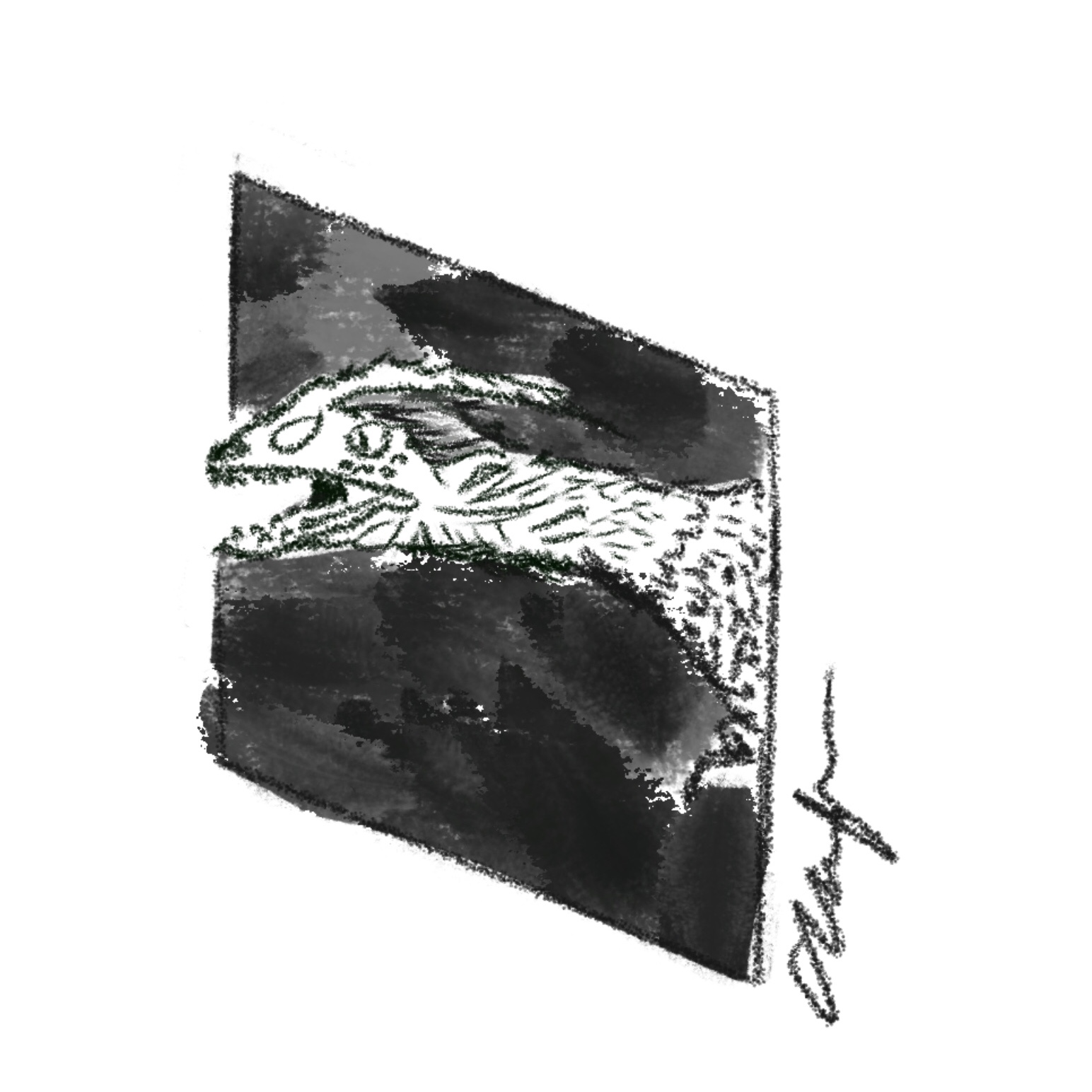
20:29 There it is! The GGM is watching them whilst they inspect the scene. The GGM has a funny look on its face – either amusement, guilt or hunger, I couldn’t say, not being an expert on GGMs. It actually gives a little nod, much like you do when you see someone you kinda half recognise and don’t want to commit to a full-on hello. The GGM looks cute in a smug, self-satisfied kinda way, but then I’m not the one being thrown down like a handful of peanuts.
20:52 The Sheriff drives off with the suitcase. He’s probably got a stack of ‘em back at the station. Chase shines a torch into the lonely area of impenetrable forest, wondering where the drums and creepy whistling are coming from.
21:16 Chase pulls up outside a lovely house and does some creepy whistling of his own. The music has changed to chill hipster jazz, so I’m guessing this is Lisa’s house. Chase lets himself in, checks his watch, puts a leg up onto a chair to wait (honestly, these guys are like flamingos – in chinos). Lisa comes in and tells him about her evening, emphasising all the wrong words so it’s difficult to follow. ‘If I saw you again he would have me sent back to France,’ she says. So she’s definitely from France, I didn’t just imagine that. ‘You can speak English well enough to get a job anywhere,’ says Chase. Hmm. They kiss to a cool jazz soundtrack.
22:43 Cut to: more cars, driving along the highway. Actually, one is Dad/Mr Compton in the tow truck, the other is a sedan being driven at crazy speeds. It overtakes him and skids round into a back lane. Goes off the road for no apparent reason and slams into a post. Tries to reverse but gets stuck. Dad/Mr Compton pulls up. Actually, it’s Chase driving the truck. You’d think he’d be angry, but no, he asks the other driver if he’s alright. The other driver turns out to be an over-acting drunk in a tux who gets out and says he’s ‘superb’. He says his name is Horatio Algernon Smith in such a ridiculous ‘look at me how drunk I am’ way he makes Old Man Harris look like Laurence Oliver.
23:40 Horatio says he swerved to avoid a ‘big pink thing with stripes this wide’ – which he thinks was a truck or something but we know was the GGM. ‘Sure, sure,’ says Chase, who starts hooking up the sedan to tow it out. Horatio tries to drive off despite being hooked up, saying that Chase is a ‘cotton-picking Prince’ which is either a compliment or insult, it’s hard to say. But he can’t drive because the wheels are in the air. So he takes a nap and allows himself to be towed. Sheesh. If I had the script in front of me I’d put a big red line through THAT scene.
25:06 Back at the garage, Chase bangs out the dents in Horatio’s fender whilst Horatio sleeps it off on a cot bed. Chase sings a hipster song as he works, which is cute. ‘My baby she swings – and sings – and swings whenever I bring her things…’ which sounds like some kinda primitive rap. Horatio sits up on the cot and nods appreciatively. Maybe Horatio’s a hot shot record producer and he’ll make Chase a pop star, if the GGM doesn’t get Horatio first (and BTW? I hope the GGM gets Horatio first).
26:00 Horatio asks Chase how he got in the cot bed. Chase says he carried him in there and sat on him till he went to sleep. So when the garage says full service it MEANS full service. Horatio pays him 3 bucks for all the work and gives him his card – says look him up next time he’s in the city. Chase looks at the card as Horatio leaves. It’s Steamroller Smith, the Disc Jockey! And he gave him two twenties rather than 3 bucks! So it’s a real feel good moment before everyone gets chewed by the GGM.
28:06 The Sheriff pulls up in his hover car at the garage. He’s in his white jacket again, so he means business (clean business). ‘Have you heard anything about Pat and Liz?’ he asks Chase. Who? They’re ancient history, dadio! (Actually Chase says ‘No, nothing’) He suggests he gets the gang together and search the area tomorrow. ‘I was hoping you’d say that,’ says the Sheriff. ‘Can I have your help in another matter?’ he says. ‘Sure,’ says Chase. Apparently headquarters don’t believe the Sheriff about the tyre marks on the road for the last wreck. Chase says he’ll sign a statement. The Sheriff thanks him. Honestly – what’s this got to do with a Giant Gila Monster? (I wanted to type it out in full because I’m feeling blue about it. I just wanna see more of the funny faced fellow. An’ if I don’t GET to see more of it… well, I jes’ don’ know WHAT I’ll do…’ (I’m beginning to sound like Chase – or maybe Dorothy from the Lizard of Oz).
30:30 It’s the next day, and the hipsters are running all over the county in their go-karts trying to find Pat & Mike or whoever it is got lost. Chase takes Lisa down into a ravine, which is less exciting than it sounds. The drums start up. We see the GGM licking its lips, which is promising.
31:15 The GGM is prowling around on the road, with sound effects to make it sound big. The creepy whistling starts up, which means Chase & Lisa are in for it.
32:48 Chase wants to take a breather and put his leg up somewhere. Lisa doesn’t like it around there. We get a lizard-eye view of the two of them, which is very much like the normal view except with a little grease on the lens. The GGM looks about ready to dine – but then the other hipsters beep their horn, so Chase and Lisa run back.
33:30 They say they found Pat & Liz’ car back a-ways, no sign of P&L. Chase says he’ll go get the tow truck. They all jump in the go-kart and … erm… go.
34:00 Lisa and the other female hipster are standing up on the road by the tow truck whilst Chase and the other guy are down in the ravine doing the manly hooking-up stuff (that sounds wrong, reading it back, but I’m too exhausted by all the motor action to change it). They hear a big crashing sound. ‘I wonder what that was?’ says Lisa, like she’s reading it off a cue card without her glasses. ‘Probably just a little rock slide’ says the other girl. ‘For some reason this place gives me the creeps,’ says Lisa. ‘It always has’. We see the GGM heading their way. (Side note: the sound effect they use for the tongue flicking in and out sounds like a reversing sound on a lorry. I keep expecting it to say: Caution, Giant Gila Monster reversing….)
34:30 They haul the wreck up from the ravine whilst the GGM creeps up on them.
35:40 Once it’s up, Chase & Lisa get in the truck and the other two get back in their go-kart. I have a bad feeling about this…
36:01 … but no, everyone’s fine. The GGM looks v disappointed (but not HALF as disappointed as me).
36.24 Back at the garage, the friends drive off and the Sheriff hoovers up instead. They tell the Sheriff they had a good look around but didn’t see nuttin’. They chew over their theories as to what happened, elopements, robberies and so on. No-one mentions a Giant Gila Monster. Which just goes to show. Quite what, I don’t know – but maybe when I see it I’ll know it. Or something. Meanwhile, this film is about as slow as – well, hell, a Giant Gila Monster, I guess.
38.24 Dad/Mr Compton (although increasingly I don’t think he’s Chase’s dad, BTW – they just don’t have the same nose or nuttin’…) is driving back from some oil deal somewhere. The road is dark – perfect for some GGM action (because special effects are easier in the dark).
38.32 Sure enough, the GGM pokes his tongue out at Mr Compton, who screams, holds his hands in front of his face, the truck topples over and bursts into flames.
39:00 Chase has driven round to Lisa’s house. Lisa’s mum is there. Chase throws Lisa’s mum over his shoulder until she agrees to tell him what the surprise is she’s got for him. Turns out the surprise is a little girl in calipers – Missy, the girl Chase has been sponsoring. She shows Chase how she can walk now (although with a GGM on the loose, she’s gonna need to walk a bit faster than that). BTW – the music they play for this scene is reminiscent of a funeral parlour, which is the creepiest thing so far in this goddamn movie.
40:45 Chase goes down on this knees and starts playing a mini banjo (or banjolele, maybe). He’s a real crooner. I definitely think Chase should go visit Steamroller Smith when he’s next in the city (GGM permitting).
41:33 OMG this song goes on. Something about a laughing girl and boy and a garden and heck I don’t KNOW what. And Chase’s eyebrows go up in the middle very sincerely like the two halves of a bridge letting the ship of his nose through. ‘.for he created a girl and a boy…’ he sings, which sounds like Bible singing to these ‘ol ears, and not at all what a hipster oughta be singing. Lord – I wish that GGM would smash through the window and chomp them all up. But maybe the singing put it off. It’s probably out somewhere in the lonely areas of impenetrable forest smoking and flipping irritably through the rest of the script.
42:00 Chase is still singing – even going up an octave. The mother looks about ready to snatch the banjolele off him and cream him with it. He finishes with the refrain, which is ‘laugh, children, laugh…’. ‘Laughing’s important, isn’t it, Chase?’ says Missy. I fully expect her to add: ‘So why are YOU such a lamebrain mother fucker?’ But then, this is 1959, and the best you can hope for is a stern look.
43:22 Actually, it turns out it was Lisa who paid for the calipers, and now she’s broke. The phone rings (I say ‘phone’ – it looks more like an old gas pipe with a tin cup for a receiver). It’s the Sheriff, ringing to say that Mr Compton bought it out on the highway. ‘That’s awful,’ says Chase, in much the same way he sang ‘laugh children laugh’.
44:30 Old Man Harris is waiting with the Sheriff for Chase to turn up. He’s still got his famous fishing hat on – although I guess he only takes it off to shower or go to bed. They all get in Chase’s hotrod because the hovercraft has blown a mattress or something. ‘Can I open this thing up?’ says Chase. Old Man Harris pulls a face and folds the brim of his hat back.
45:00 The oil truck is ablaze but Mr Compton isn’t in it. They split up to look around. They don’t find anything. The GGM must like its food fricassee.
46:00 The Sheriff asks Old Man Harris to describe how he got involved, which he does, to great comic effect. I don’t think there are many people around who could get a laugh from telling their witness account of a fatal car wreck, but Old Man Harris has a darn good go at it.
46:40 ‘Pat and Liz might have eloped, but Mr Compton ought to be around here,’ says the Sheriff, still mining that ‘eloped’ theory. I’m surprised he doesn’t think Mr Compton eloped, though. I mean, it’s perfectly feasible a guy could be so excited about eloping he accidentally rolls the truck and explodes.
47:35 Two of the other hipsters are sitting around back at the garage drinking pop and listening to Steamroller Smith on the radio. Chase turns up looking pretty happy, despite the fact he just got back from a fatal truck wreck. They talk about a big party Steamroller Smith is throwing in a nearby barn and heck, they plan on a’goin’
49:10 Old Man Harris is driving (and drinking) along a dark stretch of road. Starts singing some hilarious country and western about divorce, natch. A train runs alongside and he gets into a race with it. Drives across the tracks – the train driver can barely look! Meanwhile, we see the GGM getting into position by the railway bridge…
51:11 Old Man Harris sees the GGM sitting in the road. Then he witnesses the train wreck. Screams and whatnot. Old Man Harris heads back into town – to tell the Sheriff, presumably.
The GGM goes over the wreck. More screams as he gets snacky.
52:30 The Sheriff asks Old Man Harris what happened. OMH starts off on a comedy monologue. The Sheriff stops him. ‘Now listen,’ he says. ‘I ask you the time and you tell me how to build a clock. Just the facts,’ he says. OMH looks disappointed. Or constipated. God, he’s hilarious.
52:55 Side note: The Sheriff is holding out his hands for OMH’s keys – but there’s a map on the wall behind him, and it’s so perfectly aligned it looks like the Sheriff is actually holding out the map to OMH. An optical illusion – I’m happy for anything interesting at this point. The Sheriff tells OMH to lock himself up because he’s drunk. ‘I demand a sobrerty test,’ says OMH, walking into a wall.
54:00 Cut to: one of the hipster girls driving out to a house – and whose house it is I have no idea (I’m sounding like Old Man Harris now). Chase is getting ready for the party, combing axle grease through his hair and singing ‘my baby she rocks… and rooolllls’. He’s pretty chipper considering two of his friends are missing presumed dead, his boss was killed in a truck explosion and a train just crashed out of town. Missy limps in and says she’s staying with some family called the Blackwells, and will Chase take her. I get the feeling Missy might be his sister, but – shrug. (Which is the actor’s name, isn’t it?)
54:46 The phone pipe rings. It’s the Sheriff, asking for a book on reptiles. He wants to know whether they elope.
55:10 Cut to: Chase sitting on the Sheriff’s desk, reclining in a strangely provocative pose (or is that me?). ‘Well,’ says the Sheriff. ‘Now I’m gonna tell you something you don’t know.’ Apparently he’s been talking to a zoologist about Gila monsters. Wait – WHAT? How come? That’s a bit of a leap? (This is me talking now, not Chase). How did the Sheriff suddenly get all Scooby Doo about the whole thing? I’d skim back to look but I’m too exhausted and I’m not prepared to surrender the place I’ve gotten to without a fight.
56:00 Suddenly the Sheriff’s got a pipe, talking about a scientist ‘down in Tanganyika’ who found some giant lizard bones. I mean – IS THIS EVEN THE SAME SHERIFF?
56:15 Now he’s talking about a giant baby in Ukraine. What’s in that pipe, Sheriff? Huh?
56:40 Ah – so Old Man Harris saw it, and some of the survivors of the train wreck. So now the Sheriff’s got enough witness statements to discount the elopement theory and move on to gigantic lizards.
58:00 The Sheriff asks Chase to keep the story to himself, to forget about the gigantic lizard rampaging about the place, go to his party and have some fun. ‘Sure thing, boss’ says Chase. Boy, is he easily distracted.
58:10 Cut to: lots of hipster cars turning up at the barn for Steamroller Smith’s disco. Or Smorgasbord, as the GGM likes to call it.
58:32 Chase calls out to the crowd: ‘Hold it – all you jumpin’ beans!’ Honestly, he’s got more flashy hip than my gran.
58:50 Steamroller Smith leapfrogs onto the stage and does something uncomfortably like a Nazi salute. Then he puts on a record and they all jive in a very hygienic way.
59:20 Pat’s dad turns up to confront the Sheriff. He says the Sheriff didn’t recover his son’s car properly because he was protecting Chase. The scene deflates strangely – Pat’s dad becomes almost tender; the Sheriff smokes his pipe (I hope he doesn’t smoke it when he’s got his white jacket on). Pat’s dad comes straight out with it: ‘Have you heard any reports of a giant lizard?’ He goes on to say that the Wash – the area of impenetrable forest – is so choked up it’s not surprising you get giant lizards in there and no-one knows about ‘em. ‘I say it’s perfectly possible for a giant lizard to live in that place for years without being seen’ he says, pointing to himself in that adorably specific way he has.
1:01 But now Pat’s dad gets mean again. He says the Sheriff is responsible for Mr Compton’s death, because he didn’t investigate Pat’s death thoroughly enough. Which is fair, I suppose. The Sheriff puffs away quite anxiously. Then Pat’s dad notices that the tyres have been switched off one car and put on Chase’s – which is dodgier than a giant lizard in anyone’s estimation. Pat’s dad says the Sheriff’s last job in office will be to arrest Chase and bring him in. ‘And I’ll go along to make sure that it’s done’ he says, pointing to himself again.
1:02 The Sheriff hovers off to the party, followed by Pat’s dad (whose name is Mr Wheeler, but what the hell).
1:03 Steamroller Smith says he’s made a special recording and he wants everyone at the party to see what they think, and if they can identify who the singer is.
1:04 Everyone thinks it’s Elvis but in fact it’s Chase! Steamroller calls him up on stage. Oh my God – he’s got his banjolele there for a preview of another song. Yep – it’s ‘Let the children laugh’. All the hipsters seem to like it. It’s just me who’s scrambling for a bucket.
1:05 Although… not just me. The GGM is crawling up outside, drawn in to commit widespread murder by the hideous music, and thank god for that. The Sheriff and Pat’s dad arrive, too. I’m guessing Pat’s dad is headed down snack alley, and that way Chase’ll be spared and have the singing career he so doesn’t deserve.
1:06 We watch as the GGM crawls past lots of toy cars and a scale model of the barn. It’s so cute. If I had a vivarium – and trust me, I never will – I’d decorate it just like this. And everyone would love it and laugh about it, and I’d have way more friends than I do.
Suddenly the GGM smashes in through the barn wall. Cue screaming &c. While the GGM seems to get its head stuck in the boards, everyone runs outside in a hipster, jive-style way. The Sheriff gets out a rifle and starts shooting it. Which is enough to have it scuttle back into the lonely areas of impenetrable forest again. Chase jumps into his go kart. He has an idea that might just work…
1:09 Chase wants Lisa to wait in the garage office whilst he takes the nitro to blow up the GGM. ‘I’m not going to leave you, Chase…’ saying her lines even LESS convincingly than the GGM, and all THAT had to do was HISS.
1:10 Off they drive at double quick speed to the sound of a saxophone and a double-bass, Lisa holding the jars of nitro. Totally a hipster way of ending a monster movie.
1:10:40 They pull over to look at the tracks. ‘They can only travel in a straight line’ says Chase. Really? Why? I think he’s thinking of a toy lizard on wheels. Then Chase notices a huge hole in the side of a house. ‘Good lord!’ he says. ‘It hit the Blackwells place!’ Which is where Missy was staying.
1:12 They drive over the farmland and see the Blackwells running, Missy on the ground where they left her (nice). Lisa stays with Missy while Chase drives on towards the GGM. He jumps out of the go kart at the last minute and rolls free. The car ploughs into the GGM and blows it up. Chase looks up and grins. He’s so hip it hurts.
1:13 The Sheriff turns up with a couple of troopers. Then Pat’s dad. Chase tells them how he killed the GGM with nitro but lost his hotrod. ‘The railroad’ll be glad to buy you a new one,’ says the Sheriff, hooking his thumbs in his belt (HIS belt, not Chase’s).
1:14:36 Last scene. Looks like Chase is getting Compton’s job. Pat’s dad is reconciled with the Sheriff. They all stand back to look at the burning GGM. Chase lifts Missy up and accidentally lifts Lisa’s skirt up at the same time but they don’t reshoot. The End.
That’s it!
So what’ve I learned?
- If you’re being chased by a giant lizard, run zigzag.
- If you want to improve your comedy monologues – why not try a fishing hat?
- If you’re big and predatory and want to hide out, why not try a lonely area of impenetrable forest? Here’s a brochure.
- Hipster music is terrible and so are their cars.
- Ninety-five percent of all missing persons cases eloped.